
Clostridium: Species, Diseases, Food Poisoning and Facts
Clostridium Bacteria
Species, Diseases, Food Poisoning and Scientific Classification
Clostridium refers to a medically and scientifically important group of rod-shaped, spore-forming bacteria. Most clostridia grow under anaerobic conditions, meaning environments containing little or no oxygen. They occur naturally in soil, sediment, decomposing organic matter and the intestinal tracts of humans and animals. Although many species are harmless, certain Clostridium species produce powerful toxins responsible for tetanus, botulism, food poisoning and severe tissue infections.
Among the best-known species are Clostridium tetani, Clostridium botulinum, Clostridium perfringens and Clostridium butyricum. The organism formerly called Clostridium difficile has been reclassified as Clostridioides difficile, although the older name remains widely used in clinical searches and general medical communication.
Key scientific facts
- Clostridium bacteria are generally anaerobic, spore-forming bacilli.
- Most clinically important species are Gram-positive.
- Their spores can persist in environments that would kill actively growing bacterial cells.
- Several species cause disease by producing exotoxins.
- C. botulinum causes botulism.
- C. tetani causes tetanus.
- C. perfringens can cause food poisoning and invasive wound infections.
- Clostridioides difficile causes antibiotic-associated diarrhea and colitis.
- C. butyricum produces butyric acid, also called butyrate.
What Is Clostridium?
Clostridium is a bacterial genus historically defined by several important characteristics:
- Rod-shaped cells
- Formation of endospores
- Predominantly anaerobic metabolism
- Usually Gram-positive staining
- Ability to ferment organic compounds
- Presence in soil, sediments and animal intestinal environments
The term clostridia is also used more broadly for related anaerobic, spore-forming bacteria. Modern genetic analysis has shown that organisms historically placed in Clostridium do not all belong to one closely related evolutionary group. As a result, several former members have been transferred to newly defined genera, including Clostridioides.

Are Clostridium Bacteria Aerobic or Anaerobic?
Clostridium bacteria are generally anaerobic. Many medically important species are obligate anaerobes and cannot actively grow when exposed to normal atmospheric oxygen.
However, “anaerobic” should not be interpreted as an absolute rule for every organism historically called a clostridium. Some species are moderately aerotolerant and may survive limited oxygen exposure. The bacterial spores are much more resistant than the metabolically active vegetative cells and can remain dormant until environmental conditions become favorable for germination.
Simplified Clostridium life cycle
Dormant spore → favorable low-oxygen environment → spore germination → vegetative bacterial growth → toxin or metabolite production → new spore formation

This life cycle helps explain why clostridia can persist in soil, foods, healthcare environments and animal intestinal tracts.
Important Clostridium Species and Associated Diseases
| Bacterial species | Principal disease or importance | Major clinical or biological effect |
|---|---|---|
| Clostridium botulinum | Botulism | Produces botulinum neurotoxin, causing flaccid paralysis |
| Clostridium tetani | Tetanus | Produces tetanospasmin, causing muscle rigidity and spasms |
| Clostridium perfringens | Food poisoning, myonecrosis | Produces enterotoxins and tissue-damaging toxins |
| Clostridioides difficile | Antibiotic-associated diarrhea and colitis | Produces toxins that damage the colon |
| Clostridium butyricum | Butyrate production; strain-dependent biological effects | Ferments carbohydrates and produces butyric acid |
These organisms differ considerably in transmission, toxin biology and clinical presentation. The presence of one Clostridium species therefore does not automatically indicate the same risk associated with another species.
Clostridium botulinum: Which Disease Does It Cause?
Clostridium botulinum causes botulism => Botulism is a rare but potentially fatal neurological disease caused by botulinum neurotoxin. The toxin attacks the nervous system and can produce blurred or double vision, difficulty swallowing, muscle weakness, descending paralysis and respiratory failure. Botulism requires urgent medical assessment because respiratory muscles may become affected.
Major forms include:
Foodborne botulism => Foodborne botulism occurs when a person consumes food containing preformed botulinum toxin. Improperly canned, preserved or fermented foods are recognized sources. The toxin cannot reliably be detected by the food’s smell, appearance or taste.
Infant botulism => Infant botulism occurs after spores are swallowed, germinate in the infant intestine and produce toxin. It is therefore an intestinal toxemia rather than ingestion of toxin already formed in food.
Wound botulism => Wound botulism develops when spores contaminate a wound, germinate under anaerobic conditions and produce toxin within the body.
Clostridium tetani: Gram-Positive or Gram-Negative?
Clostridium tetani is Gram-positive. It is a slender, anaerobic, spore-forming rod-shaped bacterium.
Its spores are commonly found in soil, dust and animal manure. When spores enter damaged tissue, particularly tissue with low oxygen availability, they may germinate and produce the neurotoxin tetanospasmin.
Tetanospasmin interferes with inhibitory nerve signaling. The resulting uncontrolled muscle contraction can cause:
- Lockjaw or trismus
- Neck stiffness
- Difficulty swallowing
- Rigid abdominal muscles
- Painful generalized muscle spasms
- Autonomic nervous-system disturbances
Tetanus is vaccine-preventable. Disease does not usually provide reliable natural immunity, so vaccination remains important even after recovery. The bacterium is not normally transmitted directly between people; infection usually begins when environmental spores enter a wound.

Clostridium perfringens and Food Poisoning
Clostridium perfringens is an anaerobic, Gram-positive, spore-forming bacterium found in soil, food, animal intestines and the human gastrointestinal tract. Some strains produce an enterotoxin associated with foodborne illness.
Common symptoms
C. perfringens food poisoning commonly causes:
- Abdominal cramps
- Watery diarrhea
- Abdominal discomfort
- Occasionally nausea
Symptoms frequently begin approximately 6–24 hours after contaminated food is consumed. Vomiting and fever are less common than in many other foodborne infections, and uncomplicated illness often resolves within about one day.
Foods commonly involved
Outbreaks are often associated with meat, poultry, gravy and other foods prepared in large quantities. Spores may survive cooking and then germinate when cooked food is cooled slowly or held at an unsafe temperature.
Cooked food should generally be kept at 4°C or colder or 60°C or hotter, and leftovers should be refrigerated promptly.
More serious infections
C. perfringens is not limited to food poisoning. Certain strains can cause severe tissue infections, including myonecrosis, traditionally called gas gangrene. These invasive infections differ substantially from uncomplicated foodborne gastroenteritis and require urgent medical treatment.
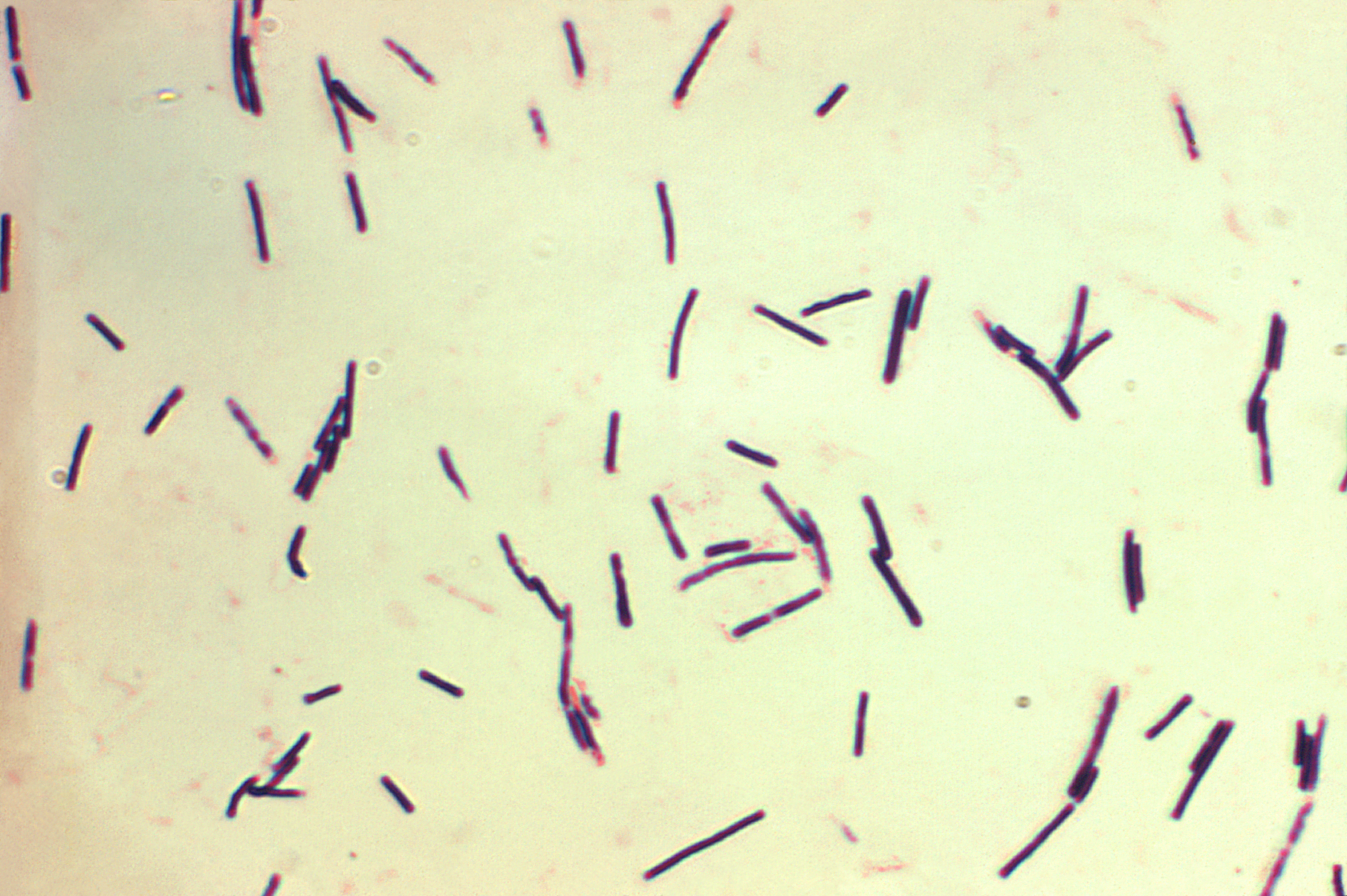
Clostridium difficile or Clostridioides difficile?
The current scientific name is Clostridioides difficile. The organism was previously classified as Clostridium difficile, and the abbreviation C. difficile or C. diff remains widely recognized.
The reclassification was based largely on molecular and 16S ribosomal RNA evidence showing that the organism was not sufficiently closely related to the core members of the genus Clostridium.
What disease does C. difficile cause?
C. difficile causes diarrhea and inflammation of the colon. Infection frequently develops during or after antibiotic treatment because antibiotics can disturb protective intestinal microorganisms, allowing C. difficile to multiply and produce toxins.
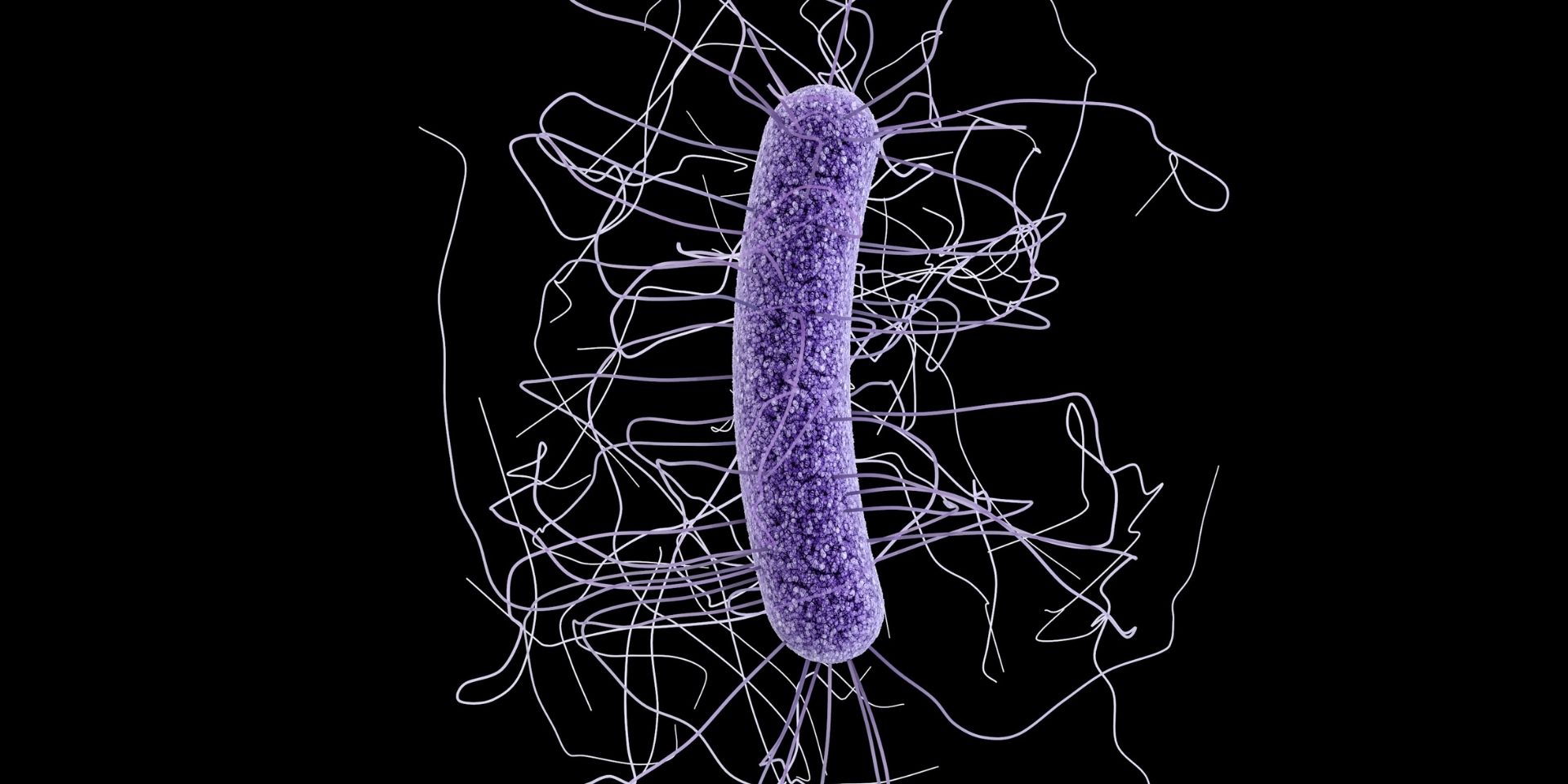
Common symptoms include:
- Frequent diarrhea
- Abdominal pain or tenderness
- Fever
- Nausea
- Loss of appetite
Severe cases can cause dehydration, extensive colitis, toxic megacolon, sepsis and death. Diarrhea occurring during or after antibiotic treatment should be medically evaluated, particularly when it is persistent or accompanied by fever, dehydration or severe abdominal pain.
Clostridium butyricum and Butyric Acid Production
Clostridium butyricum produces butyric acid, commonly present in biological systems as butyrate. It is an anaerobic, Gram-positive, spore-forming bacterium that can ferment carbohydrates and generate short-chain fatty acids.

Butyrate has biological importance in the gastrointestinal tract because it can serve as an energy source for colon epithelial cells. Certain well-characterized C. butyricum strains have been investigated or used as probiotics, but biological properties are strain-specific and should not be generalized to every isolate.
Clostridium butylicum versus Clostridium butyricum
These names should not be treated as automatically interchangeable.
- Clostridium butyricum is the accepted name of a butyric acid-producing species.
- Clostridium butylicum is an older name or synonym associated with organisms now classified as Clostridium beijerinckii.
- Historical C. butylicum strains are particularly associated with solvent fermentation and production of compounds such as butanol, acetone and isopropanol.
Therefore, for the search question “Which acid does Clostridium butyricum produce?”, the direct answer is butyric acid. For searches using Clostridium butylicum, the intended organism should first be clarified.

Why Clostridium Spores Are Important ?
Endospores are dormant structures that allow clostridia to survive unfavorable conditions. They are not reproductive cells; instead, they preserve the bacterial genome until conditions support renewed growth.
Spore resistance has important consequences for:
- Food processing and preservation
- Hospital environmental cleaning
- Wound contamination
- Laboratory decontamination
- Agricultural and soil microbiology
- Transmission of C. difficile
For example, C. difficile spores can remain on environmental surfaces for prolonged periods and spread through contaminated hands, equipment and materials.
Clostridium and Food Safety
Clostridial food hazards are strongly influenced by temperature, oxygen availability, acidity and storage conditions.
Preventing C. perfringens food poisoning
Cook foods thoroughly, keep hot food hot, refrigerate cooked food promptly and avoid slowly cooling large containers of meat, stew or gravy. Large-volume catering and buffet preparation require particular attention to time and temperature controls.
Preventing foodborne botulism
Use scientifically validated preservation procedures, especially for low-acid foods. Improperly processed home-canned food should never be tasted to determine whether it is safe because botulinum toxin may be present without visible or sensory signs of spoilage.
Laboratory Identification of Clostridium Species
Identification may involve a combination of:
- Gram staining
- Cell and spore morphology
- Anaerobic growth characteristics
- Biochemical testing
- Toxin detection
- Immunological assays
- MALDI-TOF mass spectrometry
- PCR or other nucleic acid amplification methods
- Gene sequencing
Species identification alone may not establish whether an isolate is toxigenic. For organisms such as C. botulinum, C. perfringens and C. difficile, disease risk can depend on the presence and expression of particular toxin genes.
Clinical testing must therefore be interpreted alongside symptoms, specimen type and epidemiological information.
Frequently Asked Questions
What is Clostridium?
=> Clostridium is a genus of predominantly anaerobic, rod-shaped, spore-forming bacteria. Some species are harmless environmental or intestinal organisms, while others produce toxins that cause serious disease.
Is Clostridium aerobic or anaerobic?
=> Most medically important Clostridium species are anaerobic. Some related species are aerotolerant, but active growth generally favors environments containing little or no oxygen.
Is Clostridium Gram-positive or Gram-negative?
=> Most clinically important clostridia are Gram-positive. Staining can occasionally appear variable depending on the species, culture age and laboratory conditions.
Is Clostridium tetani Gram-positive or negative?
=> Clostridium tetani is a Gram-positive, anaerobic, spore-forming bacillus.
Which disease is caused by Clostridium botulinum?
=> Clostridium botulinum causes botulism, a neuroparalytic illness produced by botulinum toxin.
Which Clostridium causes food poisoning?
=> C. perfringens is a common cause of clostridial food poisoning. Foodborne botulism is caused by consuming botulinum toxin produced by C. botulinum or certain related toxin-producing organisms.
What acid does Clostridium butyricum produce?
=> C. butyricum produces butyric acid, also called butyrate.
What are the main pathogenic Clostridium species?
=> The principal medically important organisms include C. tetani, C. botulinum, C. perfringens and the reclassified organism Clostridioides difficile.
Clostridium bacteria represent a diverse group of anaerobic, spore-forming microorganisms with major importance in microbiology, medicine, food safety and biotechnology. Their effects range from beneficial fermentation and butyrate production to toxin-mediated diseases such as tetanus, botulism and food poisoning.
Understanding the differences among Clostridium species is essential. C. tetani is a Gram-positive anaerobe responsible for tetanus, C. botulinum causes botulism, C. perfringens is strongly associated with improperly stored foods, and Clostridioides difficile is a leading cause of antibiotic-associated diarrhea and colitis. Meanwhile, C. butyricum is best known for producing butyric acid and for the strain-dependent biological activities investigated in intestinal microbiology.